Extended Leadership teams
In Pursuit of Better
Stronger conversations. Better decisions. Faster.

A fast-growing team building the habits behind faster, more confident collaboration, so the team could match the pace the business needed.
The challenge
A fast-growing team was moving quickly, but decisions were taking longer than they should.
On the surface the team had everything it needed: capable people, a clear direction and a business that was growing. Underneath, the way the team worked together hadn't kept pace. Conversations circled without landing. Meetings ran long and finished without a decision. Feedback was avoided or softened until it no longer said what it needed to say.
Conflict was avoided too. Disagreements that could have sharpened an idea were left unspoken, and issues that could have been resolved early were left to grow.
None of this came from a lack of commitment. It came from habits - the comfortable, polite habits that make a team feel harmonious while quietly slowing it down. The result was that the pace the business needed wasn't matched by the pace the team could actually work at.
The opportunity was to change those habits, and to give the team the confidence to work at the speed the business demanded.
“We stopped avoiding the difficult conversations and started having them.”
Our approach
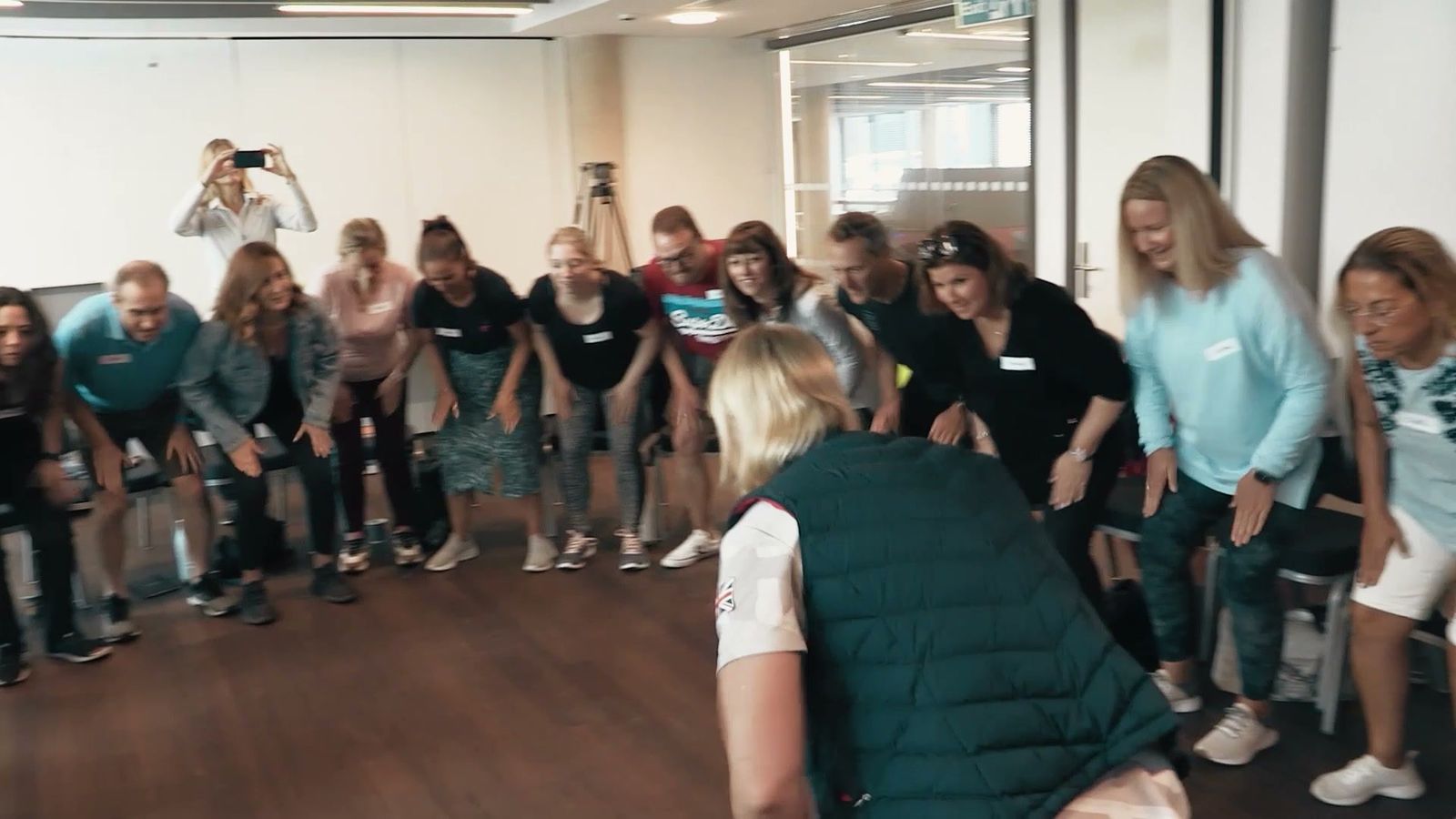
TLH worked with the team to build the habits behind faster, more confident collaboration.
The focus was deliberately practical. Rather than adding new processes, the work centred on how the team talked to each other - how they raised issues, made calls and handled disagreement. These are everyday behaviours, which is exactly why they shape how quickly a team can move.
We worked on four habits in particular:
- Having the conversation that actually needs to happen, not the comfortable one
- Making decisions with the information you have, not the information you wish you had
- Giving and receiving feedback in the moment, not weeks later
- Understanding the value of conflict and building a shared language for how the team disagrees well
That shared language was central. When a team agrees how it will disagree, conflict stops feeling personal and starts being useful. People can challenge an idea without challenging each other, and the best thinking in the room gets heard rather than held back.
The same principle applied to feedback and decisions. Giving feedback in the moment keeps it small, specific and easy to act on. Deciding with the information available, rather than waiting for certainty that never arrives, keeps momentum where the business needs it.

- 45Leaders
- 8Sessions
- 1Network
The outcome
Meetings got shorter. Decisions got faster.
The team built the confidence to say the harder thing sooner - because a problem ignored is a problem exacerbated…and a good idea delayed is a good idea wasted.
The difficult conversations that had been avoided started to happen, and started to happen earlier, while issues were still small. Feedback became part of the everyday rhythm of the team rather than something saved up. Disagreement became a normal, productive part of how decisions were made.
Most importantly, the team's pace finally began to match the pace the business needed - not by working harder, but by working together with more honesty and more confidence.
- Shorter meetings
- Faster decisions
- The harder thing said sooner